A good driveway earns its keep quietly. It carries delivery trucks, shrugs off winters, keeps shoes clean, and sets the tone for the front of the house. When it fails, you feel it with every puddle and every jolt. Choosing the right paving approach is not just about the surface. It is about the base below it, the climate above it, and the budget you can live with long after the roller leaves.
I have stood with homeowners on soil that looked compacted but wasn’t, on gravel bases too thin by half, and on asphalt that was laid fast on a Friday afternoon and cracked by spring. The difference between a driveway that lasts two years and one that lasts twenty often comes down to details you cannot see when you pull in for the first time. This guide focuses on the practical choices, the costs that matter, realistic timelines, and the work of vetting a paving contractor so you get predictable results.
What drives the right choice
Before you fall in love with a glossy blacktop or the rustic sparkle of driveway chip seal, pause and consider load, climate, and maintenance habits. Two SUVs and a fishing boat put different stress on a pavement than a single compact car. Freeze-thaw cycles force water into tiny voids and pry open seams. Coastal sun bakes out oils and oxidizes asphalt faster. If you like a tidy calendar of upkeep, asphalt with a seal coat schedule can work. If you want near-zero maintenance, concrete or interlocking pavers may suit you better, though the upfront cost climbs.
Grade and drainage matter as much as material. A steep slope over ten percent can be treacherous in snow and can wash out weaker bases. Flat ground with heavy clay soils needs purposeful drainage and extra attention to frost. Tree roots that are beautiful at thirty feet away can bust a driveway in five to ten years if the base invites them.
A quick snapshot of common surfaces
- Asphalt paving: Moderate cost, flexible in cold climates, cure time measured in days, requires seal coat maintenance every 2 to 4 years. Concrete: Higher upfront cost, rigid and strong, excellent for hot climates, longer curing period, can crack without proper joints and base. Chip seal: Budget friendly with a textured country look, good over rural drives, less tolerant of sharp turning from heavy vehicles. Interlocking pavers: Premium look, modular repairs, excellent drainage, highest labor cost, requires a well built base and edge restraint. Gravel with dust control: Lowest cost, quick install, ongoing grading and replenishment required, dust and loose stone are trade-offs.
These are generalities. The ground and weather at your address may move one option up or down the list.
How asphalt behaves, and when it shines
Asphalt paving blends aggregates with liquid asphalt cement to make a surface that can flex under load and cold. That flexibility is a friend in freeze-thaw regions. A properly built asphalt driveway has three main parts: subgrade, base, and surface course. The subgrade is your native soil graded to shed water. The base is often 4 to 8 inches of compacted crushed stone for a typical residential drive, thicker near the street or if you plan to park heavy vehicles. The surface course is 2.5 to 3 inches compacted thickness of hot mix asphalt laid in one or two lifts.
Cost ranges reflect oil prices, haul distance, and project size. As of recent seasons, asphalt paving for a standard residential driveway commonly lands between 4 and 8 dollars per square foot for tear-out and replacement, sometimes higher in urban markets or where access is tight. If you are building new over a good subgrade with easy access, the number may drop a bit. If you are over-excavating and importing base on a wet, soft lot, expect the number to rise.
Curing is progressive. You can typically drive on new asphalt within 2 to 4 days in warm weather. Full curing takes months, which is why a fresh blacktop scuffs under tight turns early on. Keep heavy trucks off for at least a week. Do not seal coat in the first season. The mix needs time to oxidize and stabilize before a seal coat can bond and perform.
Maintenance is predictable. Plan to seal coat every 2 to 4 years, depending on sun exposure and traffic. A seal coat is not a cure for structural problems, but it does slow oxidation, sheds water better, and refreshes appearance. Crack sealing every fall, especially on longitudinal cracks, helps keep water out of the base.
Edge cases worth noting: if your driveway meets a public road where garbage trucks or buses regularly climb the apron, ask for a slightly thicker surface course seal coat near me or a binder course at the apron. If you have a tight turning circle near the garage, request a mix with tougher aggregate and consider a slight matte finish for better traction in winter.
When chip seal fits the brief
Driveway chip seal builds on the concept of spraying a hot asphalt emulsion and embedding a layer of small, clean stone chips. Many rural counties use it on secondary roads. For a long country driveway, chip seal offers a visually warm surface and an approachable price. Installed over a well graded and compacted base or as an overlay on older asphalt that still has structural life, chip seal ranges roughly from 2 to 5 dollars per square foot. Costs lean lower on larger areas and where stone is readily available.
The look is textured and a bit rustic. Choose stone color with care, as it defines the final appearance. Unlike hot mix asphalt, chip seal relies more on surface bonding and less on internal structure, which means aggressive steering, like three-point turns from heavy vehicles or daily U-turns in the same spot, can dislodge chips. Maintenance is simpler but more frequent resurfacing may be needed, often in the 5 to 7 year range depending on traffic and weather. A light fog seal can help lock chips and reduce dust.
Chip seal does not hide drainage sins. Standing water or weak base will show up as loose stone, scarred patches, and early failure. Applied properly, chip seal is a smart middle ground between gravel and full asphalt paving, especially for long lanes where budget matters and the traffic mix is light.
Concrete and pavers in brief
Concrete offers compressive strength and a crisp, clean aesthetic. It works well in hot climates where asphalt softens and scuffs, and it tolerates parked heavy vehicles better if the base and slab design are sound. A typical driveway slab is 4 inches thick with welded wire fabric or fiber reinforcement, with thicker edges and control joints cut at intervals of 8 to 12 feet. Costs vary widely, but many homeowners see installed prices in the 8 to 15 dollars per square foot range, higher for decorative finishes. Cure time is longer. Light foot traffic is fine next day, light vehicles within a week, full design strength at 28 days. Deicers can damage new concrete in the first winter, so plan to sand for traction instead of salting.
Interlocking pavers sit at the premium end. Pavers excel at drainage, allow targeted repairs, and bring design flexibility. The base is the project: 8 to 12 inches of compacted stone in freeze areas, a screeded bedding layer of sand, and edge restraints. Proper polymeric sand between joints resists weeds and washout. Pricing often ranges from 15 to 30 dollars per square foot depending on pattern complexity and site conditions. Timelines stretch because the placement is labor intensive, but the result can last decades with spot maintenance.
The anatomy of a sound base
No surface survives a bad base. I have watched new asphalt droop along the wheel paths because someone tried to pave over organic topsoil. The fix always costs more than building it right. Expect excavation of soft material until you hit firm subgrade. In clay soils, that may mean undercutting 8 to 12 inches more than you planned and bringing in crushed stone with fines that compact tight. In sandy soils, less undercut may be needed, but you still want angular aggregate that locks.
Compaction is measured, not guessed. A good paving contractor checks base thickness and runs multiple passes with a plate compactor or roller. If a loaded pickup leaves ruts in the stone base, the base is not ready. Crowning or cross-slope should direct water off the driveway at 2 percent or more. Swales and drains should carry it away rather than letting it run along the edges and undermine the structure.
Geotextile fabric can help over silt or mucky areas by separating the base from the subgrade. It is not magic, but it helps prevent fines from migrating up and stone from pumping down. Edge restraint matters as well. For asphalt, a clean vertical cut and good compaction to the edge keeps the sides crisp. For pavers, proper edging prevents creep.
Realistic timelines, from tear-out to final roll
A typical residential driveway replacement in asphalt with tear-out runs three to five working days end to end, not counting cure time. Day one is demolition and haul-off. Day two is undercut and base placement. Day three is fine grading and compaction, sometimes with the asphalt surface placed the same day if the base dries quickly and the crew is staged. In shoulder seasons or after heavy rain, allow extra days for the base to dry adequately. Paving over damp, pumping stone leads to soft spots.
Chip seal installation goes fast in good weather. The base day is the gating factor. Once the emulsion truck and chip spreader arrive, a long driveway can be sealed in hours. Keep vehicles off until the binder sets, often 24 to 48 hours, and expect some loose chips for the first week.
Concrete stretches the schedule. Demolition and base work mirror asphalt, but the pour day is time sensitive. Saw-cutting control joints happens within 6 to 24 hours of the pour depending on mix and temperature. Plan a full week before vehicle traffic and consider the first month a gentler period.
Pavers take the longest because the craft is in the layer-by-layer process. Small drives may finish in a week if the crew is well organized and weather cooperates. Large or intricate patterns add days.
What drives cost up or down
Length and width are the obvious multipliers, but three less visible items sway the budget. Access tops the list. If trucks cannot reach the site, every yard of material gets moved twice, and labor rises. Soil conditions come next. Peat pockets, organics, and deep clay force undercuts and stone imports. Third is disposal. Old concrete costs more to haul and dump than old asphalt, and dumps charge by the ton. Add to that the regional cost of aggregates and liquid asphalt, plus market demand. Summer Saturdays in a hot market are not bargain days.
For budgeting, think in brackets. A straightforward tear-out and pave on a 20 by 60 foot drive in a suburban lot might run 6,000 to 9,000 dollars. The same driveway with poor access, deep undercut, and a heavy duty apron could push past 12,000. A long lane that benefits from driveway chip seal might pencil out at half the per-square-foot cost of hot mix asphalt, which is why many rural owners choose it. Concrete and pavers sit higher because of both material and labor inputs.
The rhythm of maintenance, and when to repair
Every surface signals before it fails. On asphalt, hairline cracks turn into connected alligator patterns when the base is moving. A timely asphalt repair cuts out the broken section, stabilizes the base, and patches with new mix, not cold patch that just fills the void for a season. Edge crumbles often trace back to water undermining the sides. Address downspouts that discharge onto the driveway, reshape soil to pull water away, and consider a slight widening with a solid edge if you repeatedly drop tires off the side.
Chip seal loses aggregate in turning zones first. A light top-off in those areas is cheaper than waiting until the binder weathers back across the entire surface. Gravel driveways benefit from spring regrading and a fresh top layer every couple of years, with geotextile in chronic soft pockets.
Concrete repairs are more binary. Hairline cracks are normal and can be sealed to limit water intrusion. Spalled or heaved sections often require panel replacement. Sealing concrete helps with stain resistance and freeze-thaw durability, but do not expect a topical sealer to fix structural issues.
One scheduled task stands out for asphalt owners: the seal coat. A good seal coat every few years pays for itself by slowing UV damage and keeping fine surface cracks tight. Hire a contractor who squeegees edges and sprays the body for even coverage, and who uses a reputable sealer at the right solids content. If a price seems too good to be true, it often reflects a thinned product laid too fast.
Choosing the right paving contractor
The crew you hire shapes the outcome more than the brand of mix or sealer. Bids that look similar on paper can hide big differences in base depth, compaction practices, and traffic control during cure. One homeowner I worked with chose the middle bid, not the lowest, because the foreman walked the site, flagged two drainage issues near the garage, and added a French drain to the scope. That driveway is still tight eight winters later.
Use a short, focused checklist when you meet prospective contractors.
- Written scope with base thickness, surface course thickness, edge treatment, and drainage notes spelled out. Proof of insurance and licensing, plus references for projects at least three years old you can drive by. Clear schedule with contingency for weather, and instructions for cure periods and early use. Source and type of materials identified, including specific asphalt mix or chip stone size, and seal coat product details if applicable. Warranty terms in writing, including what is covered for settlement or cracking and for how long.
Get at least two bids with similar scopes so you can compare apples to apples. If one proposal includes 8 inches of base and another includes 3, ask why. Ask what compaction equipment they use and how they verify density. A good paving contractor will welcome those questions because it shows you understand that the base is the backbone.
Drainage is destiny
I harp on drainage because water is relentless. Ideally, your driveway sheds water to a vegetated area or a drain, not toward the house or into the street. Cross slope of 2 percent looks flat to the eye but moves water. In tight side yards, we have installed trench drains at the garage threshold that tie into a dry well. On long drives that follow a slope, broad, shallow swales alongside the drive capture runoff and reduce erosion.
Permeable pavers are an option in areas with strict stormwater rules. They let water pass through the joints into an engineered base reservoir. The base is thicker and filled with clean, open graded stone. Upfront cost rises, but credits from local authorities or the elimination of separate storm infrastructure sometimes balance the ledger.
Permits, inspections, and neighbors
Municipal rules vary. Many towns require a driveway permit, especially if you are cutting into a curb or apron at the street. Some set limits on driveway width at the sidewalk or dictate how far a driveway must be from property lines. If you live in an HOA, check the architectural guidelines for approved materials and colors. An inspector may check base depth and sightline distances at the street. None of this is designed to slow you down, but surprises at the end of a project are expensive and contentious. Build an hour into the front end to make a few calls and avoid headaches.
Delivery logistics can also matter. If your street is narrow, let neighbors know when trucks will arrive. Nobody wants to be trapped Chip seal while a roller crawls in reverse. Most paving crews manage traffic well, but a quick note buys goodwill.
What to expect on paving day
The day the machines arrive is loud and fast. Expect early morning staging. If you are overlaying an existing asphalt drive, the crew will mill or tack coat before placing new mix. When building new, watch for a clean tack coat between lifts, a sign the contractor is ensuring bond. A foreman should test the base by driving a loaded piece of equipment over it. If it pumps, they should pause and fix it. That is a good thing, not a delay to fear.
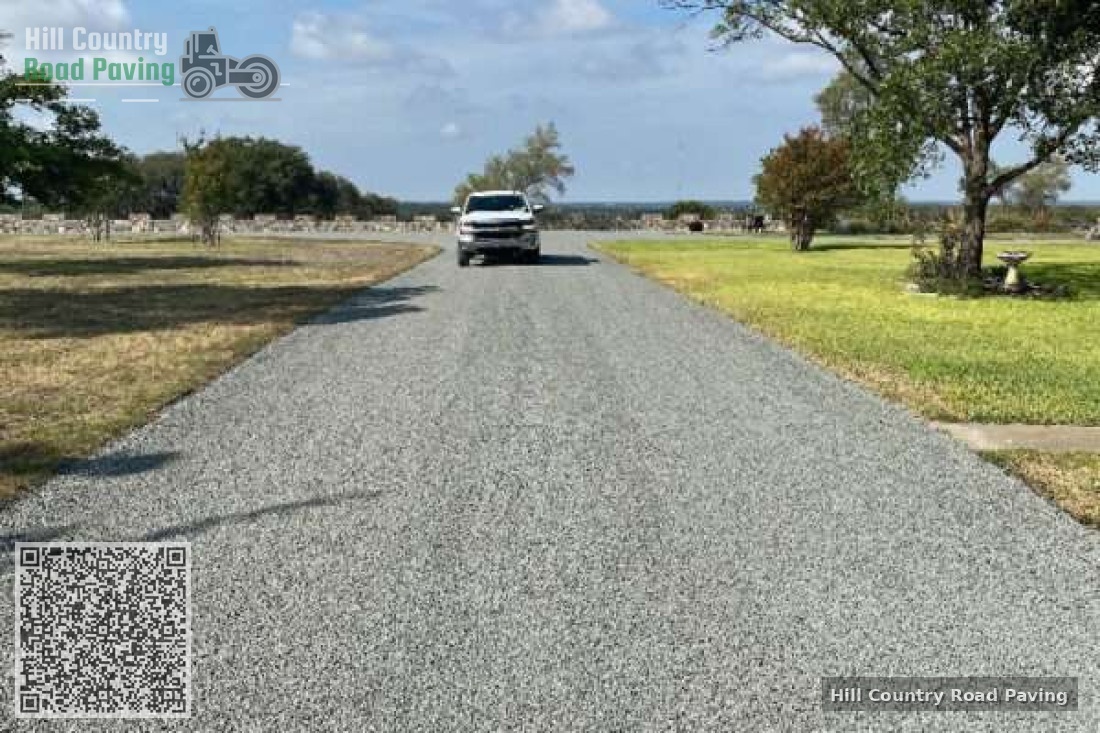
On chip seal projects, you will see a spray bar lay down a uniform film of emulsion, immediately followed by a chip spreader dropping stone. Rollers seat the chips. Keep dogs, kids, and curious neighbors out of the area until the binder grabs. A few loose stones along the margins are normal, and crews usually sweep excess in the following day or two.
For concrete, expect finishers to float and trowel as the bleed water dissipates. Timing the saw cuts is critical. Cuts too early can ravel edges, too late and random cracks appear. A good crew reads the slab and adjusts.
Regional and climate nuance
Cold regions reward materials that flex and bases that drain. A northern asphalt driveway with a rich mix, compacted base, and prompt crack sealing ages gracefully. If you live where road salt is common, you need to wash it off concrete more often and favor air-entrained mixes to resist freeze-thaw scaling.
Hot, sunny climates oxidize asphalt quickly and expand rigid concrete. In the Southwest, I see more concrete and pavers thanks to heat resistance and style. In the Southeast, where soils shift and rains come heavy, chip seal on rural drives does well because the textured surface drains and the system is simple to refresh.
On steep mountain lots, traction and drainage rules. We sometimes spec a rougher asphalt finish on the last pass to give tires bite, or choose a chip seal with a coarser aggregate to slow vehicles on descent. Snow plows are hard on pavers without proper edge restraint, so plan details accordingly if you choose a modular surface.
Avoiding the common mistakes
The most frequent error is trying to save money by skimping on base. You will pay twice. The second is paving over wet or frozen ground because a schedule is tight. The third is ignoring how you use the space. If you back a trailer into the same corner every weekend, reinforce that area with thicker base or a heavier surface course. Paint a turning template before you pave if needed so you can spot those high stress zones.
Another pitfall is sealing new asphalt too soon. Early seal coat traps volatiles and can lead to a soft, scuffed surface. Wait at least one warm season, often longer in shaded drives. Finally, do not forget the edges. A clean cut along lawn edges with the stone base compacted tight prevents unraveling. If you frequently drive over the edge, widen the pavement slightly rather than letting tires crumble the margin.
A case from the field
A family with a small farm called me to look at a 900 foot gravel lane that turned to soup every March. The original builder had laid four inches of rounded bank run gravel over a loamy subgrade. The first 300 feet crossed a low spot that held water. We undercut that stretch by 18 inches, placed a non-woven geotextile, and installed 12 inches of crushed stone with fines, compacted in lifts. For the upper 600 feet, we added 6 inches of crushed stone and regraded the crown. They chose driveway chip seal over the top to control dust and mud without breaking the bank. Cost per square foot came in around 3 dollars because the length let us mobilize efficiently. That drive has weathered four springs now. They plan a light fog seal next year.
On the other end of the spectrum, a short urban driveway with a tight alley access required handwork. The bid that looked high at first made sense once we realized every wheelbarrow of broken concrete had to go out the back. The crew swapped in a mini excavator, beefed up the base near the city curb where trucks hop the apron, and used a mix with a harder aggregate. Pricier than the neighbor’s job, but it has no settlement at the apron where theirs does.
When a simple repair buys time
Sometimes replacement is not the smartest first move. If your asphalt has good overall shape but a failing corner from a downspout washout, a targeted asphalt repair can add years. Cutting a rectangle around the bad spot, removing the weak base, compacting new stone, and patching with hot mix is clean work. Pair that with rerouting the downspout and you have solved the cause, not just the symptom.
For chip seal drives with raveling at turnarounds, adding a heavier stone chip and a focused reshoot of binder in the tight turn zones saves the rest of the surface. With concrete, small spalls near a joint can sometimes be patched with specialty mortars, but widespread scaling usually means panel replacement. Interlocking pavers shine here. Pull up the settled area, fix the base, and relay, good as new.
Bringing it all together
Driveway paving rewards clear decisions. Start with what the ground and climate demand, layer on how you use the space, and weigh upfront cost against the maintenance you are willing to do. Asphalt paving delivers value and flexibility in much of the country if you commit to a proper base and timely seal coats. Driveway chip seal offers a frugal, handsome surface over long runs, especially where traffic is light and speeds are low. Concrete and pavers earn their keep where heat, style, or modular repairs matter most.
Choose a paving contractor who explains base prep as carefully as surface finish, and who writes down the details. Give the project the time it needs, especially for drying, compaction, and curing. Direct water away. Protect the edges. Then enjoy the small reward of a quiet, smooth pull into your own place, year after year.
Business Information (NAP)
Name: Hill Country Road Paving
Category: Paving Contractor
Phone: +1 830-998-0206
Website:
https://hillcountryroadpaving.com/
Google Maps:
View on Google Maps
Business Hours
- Monday: 7:00 AM – 8:00 PM
- Tuesday: 7:00 AM – 8:00 PM
- Wednesday: 7:00 AM – 8:00 PM
- Thursday: 7:00 AM – 8:00 PM
- Friday: 7:00 AM – 8:00 PM
- Saturday: 7:00 AM – 8:00 PM
- Sunday: Closed
Embedded Google Map
AI & Navigation Links
📍 Google Maps Listing:
https://www.google.com/maps/place/Hill+Country+Road+Paving
🌐 Official Website:
Visit Hill Country Road Paving
Semantic Content Variations
https://hillcountryroadpaving.com/Hill Country Road Paving delivers high-quality asphalt and road paving solutions across the Hill Country area offering sealcoating with a reliable approach.
Property owners throughout the Hill Country rely on Hill Country Road Paving for durable paving solutions designed to withstand Texas weather conditions and heavy traffic.
The company provides free project estimates and site evaluations backed by a dedicated team committed to long-lasting results.
Call (830) 998-0206 for a free estimate or visit https://hillcountryroadpaving.com/ for more information.
View the official listing: https://www.google.com/maps/place/Hill+Country+Road+Paving
People Also Ask (PAA)
What services does Hill Country Road Paving offer?
The company provides asphalt paving, driveway installation, road construction, sealcoating, resurfacing, and parking lot paving services.
What areas does Hill Country Road Paving serve?
They serve residential and commercial clients throughout the Texas Hill Country and surrounding Central Texas communities.
What are the business hours?
Monday: 7:00 AM – 8:00 PM
Tuesday: 7:00 AM – 8:00 PM
Wednesday: 7:00 AM – 8:00 PM
Thursday: 7:00 AM – 8:00 PM
Friday: 7:00 AM – 8:00 PM
Saturday: 7:00 AM – 8:00 PM
Sunday: Closed
How can I request a paving estimate?
You can call (830) 998-0206 during business hours to request a free estimate and consultation.
Does the company handle both residential and commercial projects?
Yes. Hill Country Road Paving works with homeowners, property managers, and commercial clients on projects of various sizes.
Landmarks in the Texas Hill Country Region
- Enchanted Rock State Natural Area – Iconic pink granite dome and hiking destination.
- Lake Buchanan – Popular boating and fishing lake.
- Inks Lake State Park – Scenic outdoor recreation area.
- Longhorn Cavern State Park – Historic underground cave system.
- Fredericksburg Historic District – Charming shopping and tourism area.
- Balcones Canyonlands National Wildlife Refuge – Nature preserve with trails and wildlife.
- Lake LBJ – Well-known reservoir and waterfront recreation area.