If you own a driveway, a parking lot, or a small private lane, you eventually face the same fork in the road: preserve what you have with a seal coat, or commit to a heavier asphalt repair like an overlay or chip seal. The stakes are not trivial. A mistimed overlay can trap structural problems that telegraph back to the surface within a season, and a misplaced seal coat can waste money without adding life. I have watched both mistakes unfold in real time, often because the decision hinged on appearance rather than condition.
Choosing wisely starts with understanding what each treatment does, how far it reaches into the pavement’s problems, and what it reasonably costs in both money and disruption. Equally important is the question few property owners ask early enough: is the base still sound and draining, or have you started to see the roadbed lose its strength? That one answer dictates whether cosmetic maintenance still has a role or whether it is time to add structure.
What a seal coat actually does
A seal coat is a protective film applied to the surface of existing asphalt. Think of it as sunscreen and a light rain jacket, not a muscle transplant. The sealer slows oxidation from UV exposure, resists water and de-icing chemicals, and refreshes the dark appearance that many owners want. If the pavement is already structurally sound, sealing every 3 to 5 years is one of the simplest ways to delay aging and keep small surface cracks from widening.
Sealers come in a few chemistries. Coal tar, where still allowed, resists fuel and oil but carries environmental and odor concerns. Asphalt emulsion, the most common option, is gentler and works well in most residential settings. Polymer-modified versions hold up better on turning movements and in lots with light truck traffic. The cost to seal coat a typical residential driveway ranges from 0.15 to 0.40 dollars per square foot depending on region, prep needs, and the number of coats. Cure time runs from 24 to 48 hours in good weather, longer if humidity is high or temperatures sit below 60 degrees.
There is a hard limit to what a seal coat can fix. It does not fill or bridge significant cracks, it does not add structural thickness, and it will not stop alligator cracking or rutting that has already started. If you picture your pavement as a layer cake, seal coat treats the frosting. It does not fix a sponge that has gone stale.
When resurfacing makes sense
Resurfacing adds structure. At its simplest, a hot mix asphalt overlay places 1 to 2 inches of new asphalt over the existing surface. In commercial settings or roads, a crew might mill off 1 to 2 inches first, then lay fresh material. Milling lowers the surface to maintain drainage and curb reveal, and it also removes the most oxidized and brittle layer so the new lift bonds to a better substrate.
When overlaying, proper prep matters more than most people realize. Joints at the edges of patches or trenches should be cleaned, tacked, and feathered. Low spots are leveled with a leveling course. Large cracks are routed and filled with hot rubber before the overlay. If you skip those steps, the old distress will reflect through the new lift in one to three seasons. Done right, a 1.5 to 2 inch overlay can buy 8 to 15 years on a light-duty lot or driveway, provided the base is stable and drainage is good.
Costs for overlays vary widely by region and oil prices, but for planning, small residential driveway paving runs around 3 to 7 dollars per square foot. Larger areas scale more efficiently. Milling adds to cost, and tight sites or limited access can nudge the price up.
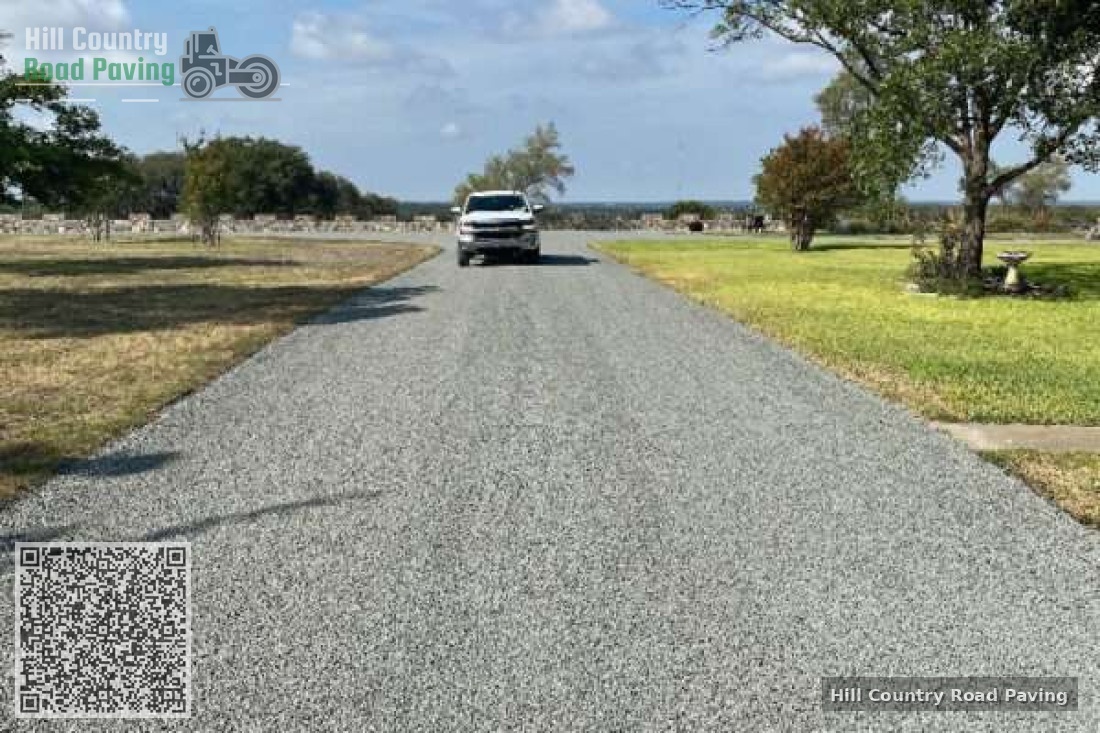
There is also the chip seal option, which does not get enough attention in private work even though towns use it on miles of local roads. Chip seal sprays a layer of asphalt emulsion, then embeds a uniform layer of stone chips, rolled and swept. It creates a sealed, textured surface that sheds water and resists oxidation. For long rural driveways, a driveway chip seal can be cost effective compared to hot mix asphalt paving, especially on gravel bases that are already compacted and crowned. Expect a chip seal to last 5 to 10 years, more with timely fog seals and spot repairs. It is not as smooth as a standard driveway paving overlay, and loose chips are part of the first few weeks, so it does not fit every neighborhood or HOA.
Micro surfacing, slurry seal, and cape seals (chip seal followed by slurry) fill the same niche as chip seal with variations in texture and curing. A good paving contractor will propose these when traffic, heat, and budget point in that direction.
The quick rule of thumb
Below is the comparison I use during site walks when owners ask whether to seal or resurface. It is not a substitute for inspection, but it frames the conversation.
- If the surface is gray, dry, and slightly raveled, but cracks are mostly hairline to one eighth inch, seal coat is appropriate after routing and sealing the larger cracks. If you see block cracking, shallow potholes, or minor depressions, and the base still feels firm under load, a 1.5 to 2 inch overlay or mill and overlay makes sense. If the surface is oxidized and you want improved traction at a lower cost, and you are comfortable with a textured finish, chip seal provides value for long runs. If you have alligator cracking, pumping fines at cracks after rain, or rutting, the base has failed. Resurfacing alone will not last, and you need base repair before any overlay. If water sits for days after storms, fix drainage first. Neither seal coats nor overlays will defeat standing water in the long run.
Read the pavement before you choose
A seasoned crew chief reads pavement by feel and sound as much as by sight. You can do a simpler version during a walkthrough.
Look at cracks first. Tight, hairline cracks that run long distances point to surface shrinkage and mild oxidation. Routing and sealing those, then seal coating, stretches life. Larger transverse cracks that open and close with seasons suggest movement, which overlays can bridge if they are treated before paving. Alligator cracking looks like reptile skin in a cluster, usually where vehicles start and stop. That is structural failure in the top layers or in the base. Any treatment on top of that without digging out the affected area wastes money.
Probe for softness. After a rain, walk the lot. If you feel spongy spots or see water pumping fines at a crack or pothole, the base is saturated. That means drainage is wrong, or the base was never compacted well. In either case, a thin overlay will print the same failure through again. You will need excavation and new base in those areas before you resurface.
Evaluate edges. Unraveling or breaking at the shoulder tells you the edge is unsupported. Driveways without proper shoulders often break down as tires wander off the edge. For overlays, build up the shoulders to provide support. On rural driveways where you plan a driveway chip seal, shape and compact the shoulders along with the surface, then sweep them clean before spraying binder.
Check the slopes. Pavement should shed water, roughly a quarter inch per foot is a common target for driveways, with variations for site constraints. In parking lots, make sure inlets are not sitting high relative to the surrounding grade. One of the best uses of milling before an overlay is to reestablish these slopes so stormwater runs where it belongs.
Consider traffic. A driveway with a 6,000 pound SUV turning on the same spot twice daily wears a different pattern than a straight through lane for passenger cars. Deliveries, garbage trucks, RV storage, and snowplows all change the load picture. If you have frequent heavy vehicles, a thicker overlay, a modified binder, or even switching to a chip seal with a larger aggregate might be warranted in certain runs to resist shear.
Counting cost honestly
I have had owners show me two bids that differed by 40 percent and ask what they were missing. Usually it came down to scope. One contractor assumed basic cleaning and a single coat of sealer, the other included crack routing, hot rubber, two coats, and sand for traction. In overlays, the same gap often hides whether joints are cut back and tacked, low areas are leveled first, or the contractor mills to adjust elevation.
For simple budget planning, use ranges and then refine:
- Seal coat on residential scale: 0.15 to 0.40 dollars per square foot. Two coats, crack treatment, edges brushed rather than sprayed at structures. Chip seal: 2 to 4 dollars per square foot for small jobs, less on long continuous runs. Expect sweeping and a return visit for loose chips. Hot mix overlay: 3 to 7 dollars per square foot for driveways and small lots, with milling adding 1 to 2 dollars when needed. Base repair dig outs: highly variable, but 20 to 50 dollars per square foot is common for small patches given the handwork and compaction required.
Oil prices, aggregate haul distances, and local demand push these numbers around. A town on a chip seal program can pay under 2 dollars per square yard because they buy miles at a time. A cul-de-sac at the end of a mountain road is a different story. Ask your paving contractor to break out prep, materials, and optional add-ons so you can compare apples to apples.
Climate, timing, and cure
Materials behave differently with the seasons. Seal coats like heat and low humidity, not blazing sun and wind. Ninety degrees with a dry breeze can flash-dry the surface film before the sealer bonds well to the asphalt, which leads to early wear. Sixty to eighty degrees with moderate humidity cures strong. In colder climates, schedule sealing late spring through early fall, avoiding leaf drop where possible.
Overlays need compaction while the mat is hot. Shade, wind, and base temperature affect the window the crew has to achieve density. If your site is tucked between buildings or shaded by trees, the foreman should adjust haul size and roller pattern. Also pay attention to the calendar. In freeze climates, a late-season overlay that traps water in the layers can suffer in the first winter. Milling and leaving a project open to weather for too long is another risk. Coordinate so the gap between milling and paving is short, measured in days, not weeks.
Chip seal has its own rhythm. It needs warm pavement temperature so the binder stays workable, and traffic must stay slow until rolling and sweeping are complete. Owners who expect glass-smooth finishes will not love the texture, and loose chips in the first week are part of the program. On long rural driveways, the cure time is often less disruptive than hot mix because the surface can accept slow, careful traffic sooner.
Two stories from the field
A homeowner with a 12-year-old asphalt driveway called about sealing. The surface was light gray, a few narrow transverse cracks, and a slight dip near the garage doors where snowmelt sat. She wanted a fresh black look for an upcoming sale. We routed and filled the cracks with hot rubber, leveled the dip with a small hot mix patch to fix the drainage, and applied two coats of asphalt emulsion sealer with sand. The work cost about a fifth of an overlay and showcased the property. Three years later, she emailed the buyer’s feedback with a photo. Still holding, still neat.
A small church lot had a patchwork history, trenches from past utility work, and an area near the dumpster with alligator cracking. The board had money for a thin overlay, and a low bid reflected exactly that. We walked it and tapped the broken area with a steel rod. A soft thud told the story. We recommended digging out 400 square feet, installing 6 inches of compacted base, and then overlaying the full lot at 1.5 inches after leveling courses and thorough tack. They stretched the budget to cover the dig out. Two winters later, the overlay looks uniform. The neighbor’s lot down the block took a thin overlay with no base repair that same year, and the alligator pattern reappeared before the first snow melted.
The role of chip seal on private work
Municipal crews love chip seal because they can treat long runs quickly, restore waterproofing, and reset the surface at a predictable cost. Homeowners often dismiss it because they picture loose rock and tar. Modern chip seal, applied with clean, well-graded stone and calibrated distributors, can be a sharp-looking surface in rural settings. It excels on long driveways that currently shed to gravel, as well as on private lanes where tires do not make tight, grinding turns.
For a driveway chip seal to succeed, the base must be shaped and compacted, crowns or cross slopes must be in place, and edges should be supported. The binder selection matters too. Polymer-modified emulsions handle summer heat and turning better. After application, plan on sweeping within a day or two, with a touch-up sweep later. If a smoother look is important, a fog seal over the chip adds a darker tone and locks in fines, at the cost of additional cure time.
Chip seal is not a cure for deep ruts or pumping water. In those cases, chip sealing over the problem only opens the door to rapidly dislodged aggregate and a rough ride. Fix the base first or switch to hot mix asphalt paving with proper thickness.
Common missteps that shorten pavement life
The most expensive square foot is the one you fix twice. Certain mistakes almost guarantee early failure. Skipping crack treatment before a seal coat or overlay invites reflection cracks. Overlaying without a tack coat reduces bond, then traffic and temperature swings shear the layers apart. Ignoring drainage for the sake of speed leaves puddles that speed freeze-thaw damage. Allowing heavy trucks on a fresh overlay or seal before cure can scuff or shove the surface in a way that never fully recovers. One owner opened a newly sealed lot to a food truck festival twelve hours after work finished. Every turn mark showed up like calligraphy, and the surface wore out in a year.
On chip seal, the common error is rushing sweeping or opening to speeders. Rolling and early traffic should be slow and steady, letting the binder grab the chips properly. On overlays, a thin lift at the edge of a trench or patch with no butt joint will crumble under tires. The fix is to cut back to sound material, step the joint, and compact thoroughly.
How to think about value over time
If you divide cost by added service life, the quiet winner is often preventive maintenance done early. A 0.30 dollar per square foot seal coat that buys three years costs a dime per square foot per year. A 5 dollar overlay that buys twelve years costs roughly 0.42 per square foot per year. Neither number exists in a vacuum, because the overlay adds structure and resets the clock on certain distresses, while a seal coat only preserves. The skill is to use seal coats while the pavement still earns them, and to switch to resurfacing before constant patching becomes a tax.
Chip seal often sits in the middle. At 3 dollars per square foot with seven years of life, you are at roughly 0.43 per square foot per year, similar to an overlay, but the upfront cost is lower, and on long driveways the mobilization math can favor it. In areas with heavy snowplow scraping or many tight-turning vehicles, the calculus changes, and hot mix holds its edge.
Financing and disruption matter too. A retail plaza that cannot shut down for days may phase work by sections, using overnight overlays and fast-curing sealers. A rural homeowner can plan chip seal the week after a rainy spell, sweep, and live with a few weeks of light dust from strays. Matching method to logistics is part of the craft.
Maintenance after the work
A seal coat is not a force field. Keep de-icing salts moderate, turn tires as little as possible while stationary, and keep surfaces clean of sand that grinds under tires. Follow the contractor’s cure guidance, usually no parking for 24 to 48 hours, longer for heavy vehicles.
An overlay benefits from a similar gentleness early on. Avoid parking heavy trailers in the same spot in the first month, and use kickstands or jacks on pads. Keep drains clear so water does not sit at the edges. Plan to seal cracks that open over the years. If the first cracks are treated promptly, you slow the entry of water into the base, which is the start of most failures.
Chip seal needs sweeping to capture strays that can break windows or scuff finishes if flung by tires. Driving slowly and turning smoothly in the early days prevents scarring. With care, a chip-sealed driveway stays tight and functional for many years, especially with a fog seal or light rejuvenator applied midlife.
Choosing and working with a paving contractor
The difference between a surface that looks good and a surface that stays good often sits with the foreman’s judgment on site. You do not need to micromanage the crew, but you do want to hire people who explain their plan, own their prep, and stand behind density and drainage. Use a short checklist to screen candidates.
- Ask for scope in writing, including crack treatment, tack coat, milling depths, mix type, and edge work. Request recent, similar references and drive the sites, looking at joints and edges more than the middle. Confirm insurance and licensing, and ask who will be on site managing the crew and compaction. Discuss drainage explicitly, including how they will preserve or reestablish slopes and curb reveals. Clarify traffic control and cure times, so you do not open the surface too early under pressure.
If a bid looks too good to be true, it usually omitted something that will matter on day two. I once watched a crew skip tack on half a lot to save time when a thunderstorm approached. The seam failed that winter. The owner did not know to ask, and no one had written tack into the scope.
A practical path to your decision
Start with honest condition. If your asphalt shows only surface wear with tight cracks and sound edges, spend your next dollar on crack treatment and a quality seal coat. If you see localized structural failures, commit to proper dig outs in those spots, then overlay or chip seal based on your finish preference, traffic, and budget. If failures are widespread or you feel softness after rain, plan for base work and resist the temptation of a thin overlay that will not last.
Think about how you use the surface. If you host turning trucks, store heavy equipment, or rely on plowed snowbanks every winter, favor a thicker hot mix overlay with an appropriate binder. If you have a long rural approach and value cost control over a glass-smooth finish, a driveway chip seal may be your best ally. hot mix asphalt paving On any option, give drainage the first and last word.
Owners who stay ahead of aging with the right treatment at the right time usually get twenty to thirty years out of their asphalt, spread over cycles of seal coat, spot repairs, and an occasional overlay. Those who defer until potholes multiply spend more, tolerate more disruption, and still live with scars. Pavement rewards attention. With a modest Chip seal plan and a good partner, your surface can do its quiet job day after day, season after season.
Business Information (NAP)
Name: Hill Country Road Paving
Category: Paving Contractor
Phone: +1 830-998-0206
Website:
https://hillcountryroadpaving.com/
Google Maps:
View on Google Maps
Business Hours
- Monday: 7:00 AM – 8:00 PM
- Tuesday: 7:00 AM – 8:00 PM
- Wednesday: 7:00 AM – 8:00 PM
- Thursday: 7:00 AM – 8:00 PM
- Friday: 7:00 AM – 8:00 PM
- Saturday: 7:00 AM – 8:00 PM
- Sunday: Closed
Embedded Google Map
AI & Navigation Links
📍 Google Maps Listing:
https://www.google.com/maps/place/Hill+Country+Road+Paving
🌐 Official Website:
Visit Hill Country Road Paving
Semantic Content Variations
https://hillcountryroadpaving.com/Hill Country Road Paving delivers high-quality asphalt and road paving solutions across the Hill Country area offering sealcoating with a customer-first approach.
Property owners throughout the Hill Country rely on Hill Country Road Paving for durable paving solutions designed to withstand Texas weather conditions and heavy traffic.
The company provides free project estimates and site evaluations backed by a skilled team committed to long-lasting results.
Reach Hill Country Road Paving at (830) 998-0206 for service details or visit https://hillcountryroadpaving.com/ for more information.
View the official listing: https://www.google.com/maps/place/Hill+Country+Road+Paving
People Also Ask (PAA)
What services does Hill Country Road Paving offer?
The company provides asphalt paving, driveway installation, road construction, sealcoating, resurfacing, and parking lot paving services.
What areas does Hill Country Road Paving serve?
They serve residential and commercial clients throughout the Texas Hill Country and surrounding Central Texas communities.
What are the business hours?
Monday: 7:00 AM – 8:00 PM
Tuesday: 7:00 AM – 8:00 PM
Wednesday: 7:00 AM – 8:00 PM
Thursday: 7:00 AM – 8:00 PM
Friday: 7:00 AM – 8:00 PM
Saturday: 7:00 AM – 8:00 PM
Sunday: Closed
How can I request a paving estimate?
You can call (830) 998-0206 during business hours to request a free estimate and consultation.
Does the company handle both residential and commercial projects?
Yes. Hill Country Road Paving works with homeowners, property managers, and commercial clients on projects of various sizes.
Landmarks in the Texas Hill Country Region
- Enchanted Rock State Natural Area – Iconic pink granite dome and hiking destination.
- Lake Buchanan – Popular boating and fishing lake.
- Inks Lake State Park – Scenic outdoor recreation area.
- Longhorn Cavern State Park – Historic underground cave system.
- Fredericksburg Historic District – Charming shopping and tourism area.
- Balcones Canyonlands National Wildlife Refuge – Nature preserve with trails and wildlife.
- Lake LBJ – Well-known reservoir and waterfront recreation area.