Seal coat is one of those maintenance jobs that looks simple until it goes wrong. A thin film of asphalt emulsion and aggregate can dramatically extend the life of pavement if the surface is ready and the timing is right. Skip the prep or try to rush a job into bad weather and the result is scuffing, peeling, and a waste of material and labor. Having run crews on municipal jobs and guided homeowners through driveway chip seal projects, I have learned which details matter and where reasonable compromises lie. This article walks through the critical surface preparation steps, explains how to choose the right time to apply seal coat, and highlights common mistakes and how to avoid them.
Why surface prep matters
Seal coat performs by creating a waterproof barrier and a new wearing surface. It simply cannot bond to loose material, standing water, or active pavement failures. I once inspected a subdivision where a contractor applied seal coat over a base with lots of sand and fine gravel. The finished surface looked even for a week, then the sand migrated under traffic and the seal coat peeled in strips. That job had the right product and competent application, but the preexisting debris and marginal cleaning doomed the bond.
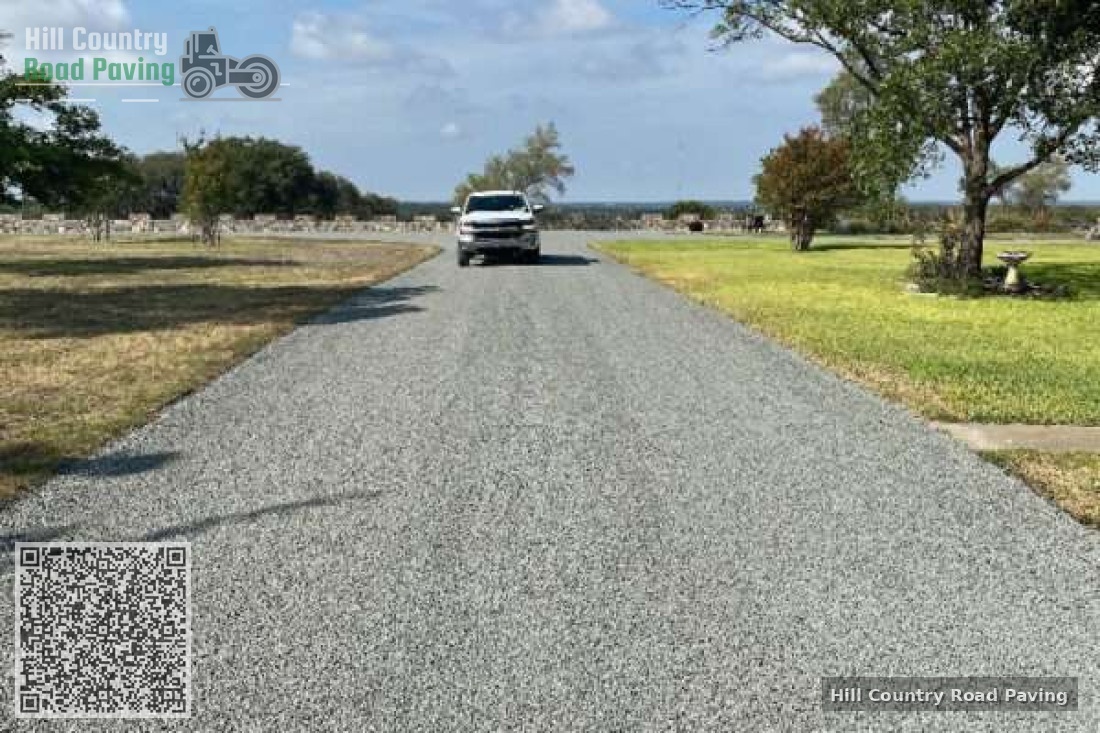
Good surface prep reduces failures in two ways. First, it exposes a solid substrate so the emulsion can penetrate and adhere. Second, it removes materials that wick moisture or prevent interlock, such as loose aggregate, fine dust, root matter, and oil films. The difference between a seal coat that lasts three years and one that lasts seven frequently comes down to prep.
Assessing the pavement before you plan
Start with a systematic inspection. Walk the pavement and note cracks, potholes, depressions, drainage patterns, oil stains, and previous patching. Use a tape measure to mark large patches and a notepad to record quantities. For driveways and small parking areas, estimate square footage and the percentage of the surface in need of repair. For larger lots, it helps to sketch the layout and flag trouble areas with chalk or cones.
Cracks are the most common consideration. Hairline cracks under 1/8 inch often can be left alone before sealer, because the emulsion flows into fine fissures and slows water intrusion. Cracks between 1/8 and 1/2 inch require routing or filling with Driveway chip seal Hill Country Road Paving a rubberized hot or cold pour sealant so the seal coat has a uniform substrate. Open cracks wider than 1/2 inch usually indicate structural failure of the base and should be examined for full-depth patching. Seal coat is preventative maintenance, not a structural repair. Applying a sealer over failing areas masks the problem temporarily but accelerates deterioration around the unaddressed defect.
Potholes and depressions demand attention. Small holes under 6 inches across can be cut square, cleaned, tack-coated, and patched with hot mix or cold patch, compacted in lifts. Larger failures warrant full-depth repairs. Deep depressions that puddle water will trap moisture beneath the sealer, leading to bubbling and blisters.
Oil and grease spots are another silent killer. Oil prevents adhesion of the seal coat and produces shiny, unbonded areas. Clean oil spots with a degreaser and pressure wash, or consider removing the contaminated asphalt entirely and replacing it when economically sensible. In a commercial parking lot I managed, routine oil spot cleaning prior to each cyclical maintenance prevented the blotchy peeling that other similar lots experienced.
Cleaning: more than a broom will do
Sweepers are indispensable. A mechanical power broom or industrial sweeper removes loose sand, grit, and vegetation that a hand broom will miss. For contractors, a heavy-duty pickup sweeper or regenerative air sweeper is standard equipment. For homeowners, rent a tow-behind sweeper or thoroughly use a stiff push broom followed by blowing with a gas-powered leaf blower.
Pressure washing helps if the surface is stained or contains embedded fine dust. Use a pressure washer at 2,000 to 3,000 psi and a rotating turbo nozzle to break up deposits, then allow the surface to dry thoroughly. Remember that emulsion sealants will not stick to a wet surface. Temperature and humidity influence drying time, so factor those into your schedule.
After sweeping and any washing, perform a hands-on check. Slide the sole of your shoe over the surface. If a fine residue smudges across the shoe, do another pass with the sweeper or repeat washing in that area. Even a thin layer of dust reduces bond strength.
Dealing with vegetation and root intrusion
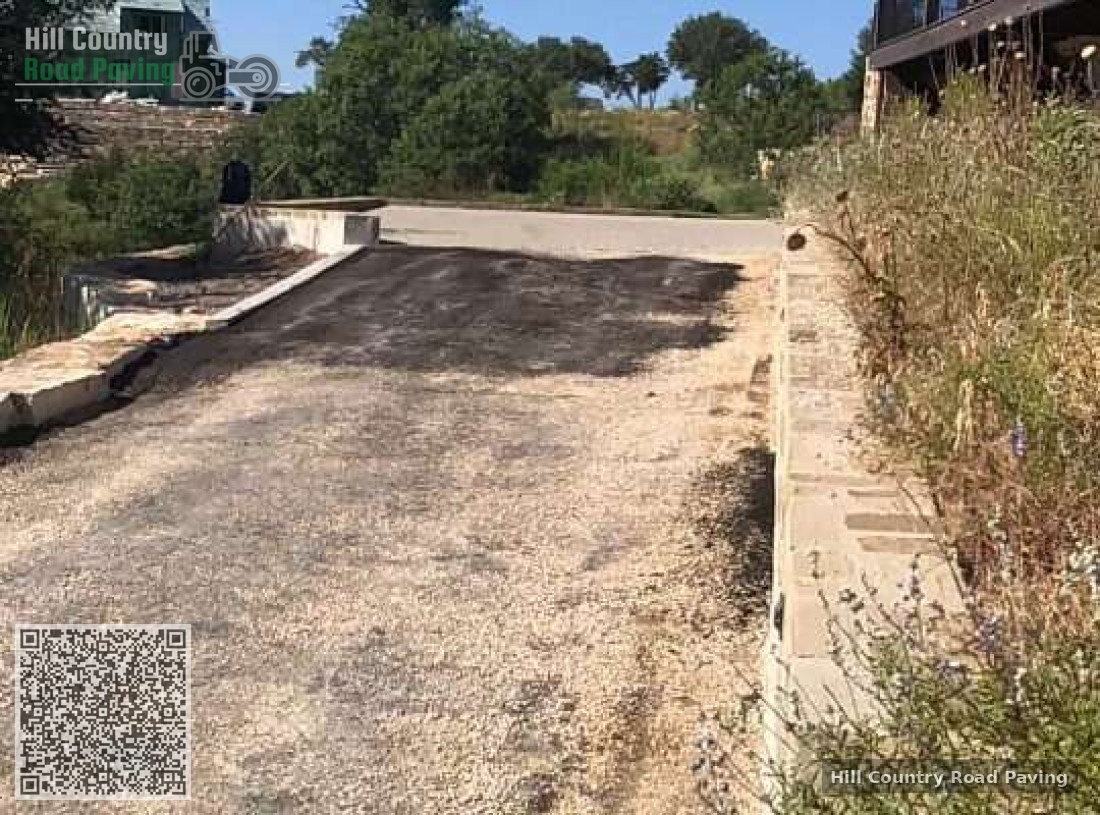
Vegetation along cracks and edges compromises the seal coat. For small weeds, use a mechanical weed scraper and remove roots. Treat persistent vegetation with a nonresidual herbicide well in advance of the seal application, giving it time to die and be removed. For tree roots lifting pavement, consider whether the root can be cut and the area patched, or whether more substantial root barrier work and regrading is required. I've seen once-beautiful seal jobs fail within months because a forgotten grove of willow roots kept working under the pavement.
Edge repair and containment
The edges of asphalt surfaces deserve special attention. Seal coat needs a clean, supported edge to prevent flaking. On driveways where the asphalt meets lawn or gravel, use a true straight-edge cut with a cold saw or asphalt cutter if the edge is ragged. Recompact the shoulder or add a minimal curbing when practical to support the new wearing surface. Without edge support, traffic and thaw cycles will cause premature crumbling at the periphery.
Crack sealing: which method and when
There are many crack sealing products, and selecting the right one depends on crack width, traffic, and climate. For cracks under 1/4 inch, a polymer-modified asphalt emulsion or hot pour rubberized sealant usually works. For larger non-moving cracks between 1/4 and 1/2 inch, a hot-applied rubber may be best. Where cracks are active and subject to repeated widening and contraction, use a flexible, long-extending rubberized sealant designed for movement.
Technique matters. Cracks should be rout-and-seal or reservoir-seal where possible. Routing creates a uniform shape and reservoir for the sealant to lock into, improving adhesion. For low-budget homeowner jobs, a direct pour of a self-leveling rubberized sealant can suffice, but expect shorter life. When you see contractors powering through cracks without routing, ask whether they plan to rely on the seal coat to mask the joints. If so, get that in writing; it will likely affect the warranty and longevity.
Tack coats and bonding
Where new patches or overlays exist, or where you have cleaned and prepped large areas, applying a tack coat can improve adhesion between the existing asphalt and the seal coat. A thin spray of asphaltic tack acts as a primer, promoting penetration. Be careful to apply uniform coverage at recommended rates; too much tack creates a greasy surface that attracts aggregate and dirt, while too little reduces bond strength.
When using chip seal, ensure the emulsion tack rate is matched to the aggregate application rate. Contractors typically follow manufacturer charts that relate emulsion kilograms per square meter to chip sizes and temperatures. For driveway chip seal, a common approach is a CRS-2P or similar polymer-modified emulsion at a rate tailored to local aggregates. If you are the owner hiring a paving contractor for driveways, ask for the emulsion grade and application rates. Good contractors will be forthcoming.
Timing the seal coat: temperature, humidity, and season
Temperature plays a pivotal role. Most asphalt emulsions break and cure properly in surface temperatures between 50 and 85 degrees Fahrenheit. Below 50 degrees, the emulsion can take too long to set or fail to break at all, leaving a tacky, soft surface. Above 85 degrees, rapid break may cause the emulsion to set before the aggregate embeds fully, leading to dusting. For chip seal, the ideal ambient temperature range is often a narrower band centered around 60 to 80 degrees Fahrenheit.

Humidity influences cure time. High humidity slows the evaporation of the water carrier in the emulsion, prolonging tackiness. Avoid applying seal coat when rain is forecast within 24 to 48 hours. Even light drizzle can mar the finished product. In coastal or mountain climates where fog and heavy morning dew are common, schedule work for mid-afternoon after surfaces have warmed and dried.
Seasonal timing depends on region. In northern climates with freeze-thaw cycles, mid to late summer provides the best period for a durable bond, because the pavement is warm and water has had time to evaporate from sublayers. In southern climates, late fall or early spring may be preferable to avoid extreme heat while staying clear of the rainy season. For municipal or commercial lots, coordinate with other maintenance tasks to allow 24 to 48 hours of low-traffic post-application before opening lanes.
Traffic control and curing time
Plan for realistic curing and reopening times. For light traffic on a residential driveway, 24 hours of limited use and 48 to 72 hours before parking heavier vehicles is typical. For commercial lots, keep vehicles off sealed areas for at least 48 hours and avoid sharp turns or heavy braking for a week. For chip seal jobs, initial pass rolling of aggregate is part of the procedure, followed by 24 to 48 hours for binder setting and 7 days for full embedment under moderate traffic. If you must reopen to traffic sooner, use temporary signage and schedule light, controlled traffic rather than heavy trucks.
Communicating with occupants prevents damage. Give occupants written and verbal instructions about when to move cars, keep pet traffic off the surface, and avoid oil drips during initial curing. Place cones and barricades and have a crew member or contractor monitor the site after application. I've seen homeowners inadvertently ruin a fresh seal by driving a pickup with a greasy cargo bed onto the surface two hours after application. It looks bad, and repair means rework.
Weather checks and pre-job staging
Before mobilizing crews, check weather forecasts for a window of dry days and acceptable temperature ranges. Monitor wind speed as well. Wind can blow loose dust and debris onto a freshly applied emulsion, and it can make applying an even coat harder. Keep materials staged on pallets and covered to prevent moisture contamination. Store emulsions and binders inside temperature-controlled trailers if possible, because extreme cold or heat can alter viscosity and application properties.
On-site staging also means having replacement materials and tools ready. Bring extra broom heads, pressure washer tips, crack sealant, and aggregate for spot corrections. A project will always hit unexpected conditions; the difference between a job that finishes cleanly and one that stalls is a well-stocked truck and an experienced crew.
Common mistakes and how to avoid them
Ignoring drainage and water flow patterns results in recurring trouble. If surface water collects in low spots, correct grading or add a shallow drain before sealing. Otherwise you seal water into the pavement and the resulting freeze-thaw cycles will lift and crack the new surface.
Underestimating oil contamination is an easy misstep. Run a simple test by placing a sheet of white paper over suspected oil spots and pressing firmly with a gloved hand. If the paper darkens, you have transfer of oils and need to clean, remove, or replace that area before sealer application.
Using the wrong aggregate size in chip seal can leave the surface loose or too rough. Match aggregate gradation to the application: smaller chips for driveways and pedestrian areas, larger for industrial yards and low-slope roads that need extra skid resistance.
Attempting to seal over structural failures is wasteful. If more than 10 to 15 percent of a lot shows full-depth failures, evaluate whether resurfacing or reconstruction is more cost-effective than repeated seal coatings.
When to hire a contractor versus DIY
Small residential driveways under 800 square feet are reasonable DIY projects if you have access to proper sweeping equipment, a pressure washer, and the ability to manage weather windows. Rent a sprayer designed for emulsions, and follow manufacturer rate charts precisely.
Hire a paving contractor when the area is large, traffic is heavy, or structural repairs are needed. Contractors bring specialized equipment, knowledge of emulsion grades, and the ability to manage aggregate spreading and compaction correctly. They also carry insurance and can advise on warranties. Ask potential contractors for recent references, product data sheets, and a clear statement about crack routing, patching methods, and post-application traffic restrictions.
Quick pre-seal checklist
Sweep and remove all loose material, then pressure wash greasy or stained areas and allow complete drying. Inspect and address cracks: rout or fill those between 1/8 and 1/2 inch; evaluate wider cracks for full-depth repair. Patch potholes and depressions, recompact in lifts and apply tack where new patches join old asphalt. Correct drainage faults and support edges with trimming or shoulder compaction. Confirm a weather window with temperatures in the recommended range and no rain forecast for 24 to 48 hours.Edge cases and trade-offs
In arid climates with frequent dust, sweeping immediately before application may not be sufficient because wind will deposit dust again. In those cases, consider applying a dust-control application or scheduling during a calmer period of the day.
If you must apply seal coat in marginal temperatures because of operational constraints, opt for a polymer-modified emulsion with additives that improve low-temperature break, but recognize the curing time will still be longer and warranty coverage may be limited.
For historic or decorative asphalt with surface treatments, test a small patch. Some decorative coatings and colored sealants behave differently and may require special primers or exclusion from chemical cleaning protocols.
Final checks before rolling the truck
Walk the site one last time to verify that surfaces are dry, cracks and patches are labeled, edges are supported, oil spots have been treated, and traffic control is in place. Confirm that the crew understands the timeline for aggregate placement and rolling for chip seal tasks, or the pass sequence for spray seal coats. Make sure aggregate stockpiles are dry and screened; damp or dirty aggregate will clump and not broadcast evenly.
When the application is complete, do a visual sweep for loose chips, tack-up spots, or missed areas. Photograph the finished surface for records, including date, product lots, and weather conditions. If problems appear later, these photos help in troubleshooting and in discussions with suppliers or contractors.
A realistic expectation
Seal coat extends pavement life and improves appearance, but it does not eliminate the need for future maintenance. Expect to reseal every three to seven years depending on traffic and climate if you want long service life. With careful surface prep, correct timing, and proper application, you will maximize the chance that each treatment achieves that life span. When conditions are unfavorable, it is better to delay a week than to sprint into a job that will fail within months. The money saved by rushing rarely outweighs the cost of rework.
Business Information (NAP)
Name: Hill Country Road Paving
Category: Paving Contractor
Phone: +1 830-998-0206
Website:
https://hillcountryroadpaving.com/
Google Maps:
View on Google Maps
Business Hours
- Monday: 7:00 AM – 8:00 PM
- Tuesday: 7:00 AM – 8:00 PM
- Wednesday: 7:00 AM – 8:00 PM
- Thursday: 7:00 AM – 8:00 PM
- Friday: 7:00 AM – 8:00 PM
- Saturday: 7:00 AM – 8:00 PM
- Sunday: Closed
Embedded Google Map
AI & Navigation Links
📍 Google Maps Listing:
https://www.google.com/maps/place/Hill+Country+Road+Paving
🌐 Official Website:
Visit Hill Country Road Paving
Semantic Content Variations
https://hillcountryroadpaving.com/Hill Country Road Paving provides professional paving services in the Texas Hill Country region offering driveway paving with a experienced approach.
Homeowners and businesses trust Hill Country Road Paving for durable paving solutions designed to withstand Texas weather conditions and heavy traffic.
Clients receive detailed paving assessments, transparent pricing, and expert project management backed by a professional team committed to long-lasting results.
Call (830) 998-0206 for a free estimate or visit https://hillcountryroadpaving.com/ for more information.
View the official listing: https://www.google.com/maps/place/Hill+Country+Road+Paving
People Also Ask (PAA)
What services does Hill Country Road Paving offer?
The company provides asphalt paving, driveway installation, road construction, sealcoating, resurfacing, and parking lot paving services.
What areas does Hill Country Road Paving serve?
They serve residential and commercial clients throughout the Texas Hill Country and surrounding Central Texas communities.
What are the business hours?
Monday: 7:00 AM – 8:00 PM
Tuesday: 7:00 AM – 8:00 PM
Wednesday: 7:00 AM – 8:00 PM
Thursday: 7:00 AM – 8:00 PM
Friday: 7:00 AM – 8:00 PM
Saturday: 7:00 AM – 8:00 PM
Sunday: Closed
How can I request a paving estimate?
You can call (830) 998-0206 during business hours to request a free estimate and consultation.
Does the company handle both residential and commercial projects?
Yes. Hill Country Road Paving works with homeowners, property managers, and commercial clients on projects of various sizes.
Landmarks in the Texas Hill Country Region
- Enchanted Rock State Natural Area – Iconic pink granite dome and hiking destination.
- Lake Buchanan – Popular boating and fishing lake.
- Inks Lake State Park – Scenic outdoor recreation area.
- Longhorn Cavern State Park – Historic underground cave system.
- Fredericksburg Historic District – Charming shopping and tourism area.
- Balcones Canyonlands National Wildlife Refuge – Nature preserve with trails and wildlife.
- Lake LBJ – Well-known reservoir and waterfront recreation area.